How should you use AI in your business?
Consider a procurement team comparing supplier proposals. AI may organise the proposals against agreed requirements, but a manager still needs to check the supporting evidence and decide between competing priorities.
Would the complete process improve?
Measure preparation, checking and rework alongside system cost. Compare the complete process with the current method.
Decide what improved and how any released capacity will be used. Faster drafting alone does not establish a financial return.
How to evaluate the first AI workflow
Map the existing workflow
Draw the repeating work as it is done today: handoffs, queues, checks, documents, decisions, and the points where people wait for information or approval.
Identify the decision the workflow supports
Ask what decision the process exists to make. If prediction, drafting, search, and summarising became cheap, would the organisation still design the work this way?
Decide whether to improve a step or redesign the process
Compare an improvement to one step with a change to the complete process. A redesign may require changes to dependent routines, decision rights and the information people receive.
Agree execution and review authority
Agree what AI may execute, what people must check and who can approve consequential actions. Check whether the sources and criteria are sufficient to evaluate the output.
Compare value and readiness
Compare expected value, approved data, integration cost, review effort and ownership. Identify any preparation needed before the trial can begin.
Sequence the first 90 days
Select the work that can begin with available data and agreed authority. Assign an owner, define the evidence to review after 30 days and identify the preparation needed for later changes.
What would justify further investment?
Which AI use cases deserve investment?
Compare proposed use cases against the business result, implementation cost and evidence available for review. Select trials the organisation can support and define what would justify further investment.
If AI releases capacity, where will it go?
Decide which work, service or capacity should change. A faster task creates value only if the organisation can use the released effort.
Why are employees underusing the tool already bought?
Check which tasks employees can change, what information they may use and how managers review AI-assisted work. Review actual work samples before deciding whether training will help.
Worksheets for the trial
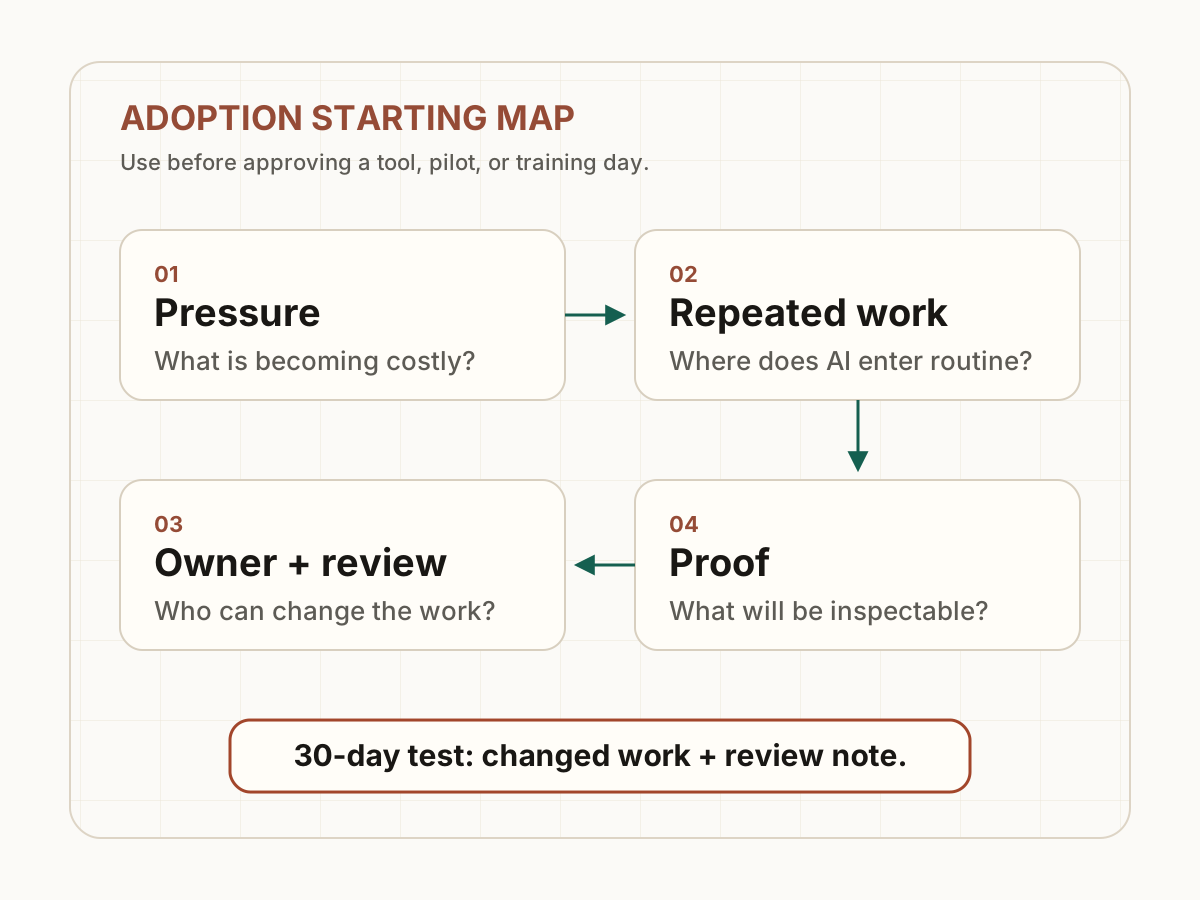
Adoption starting map
Record the business problem, current work, owner, evidence and next 30-day test.
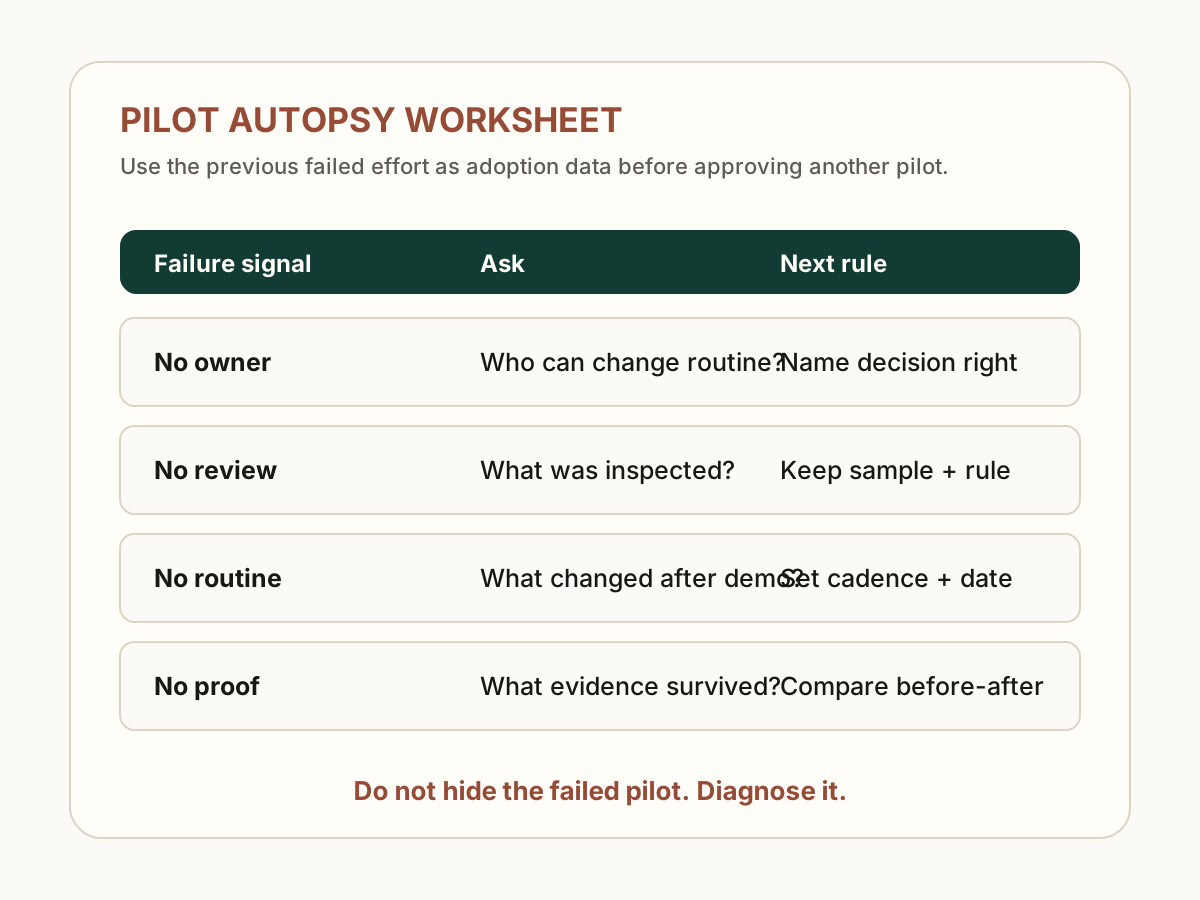
Pilot review worksheet
Diagnose ownership, review, routine change, and proof before approving another pilot.
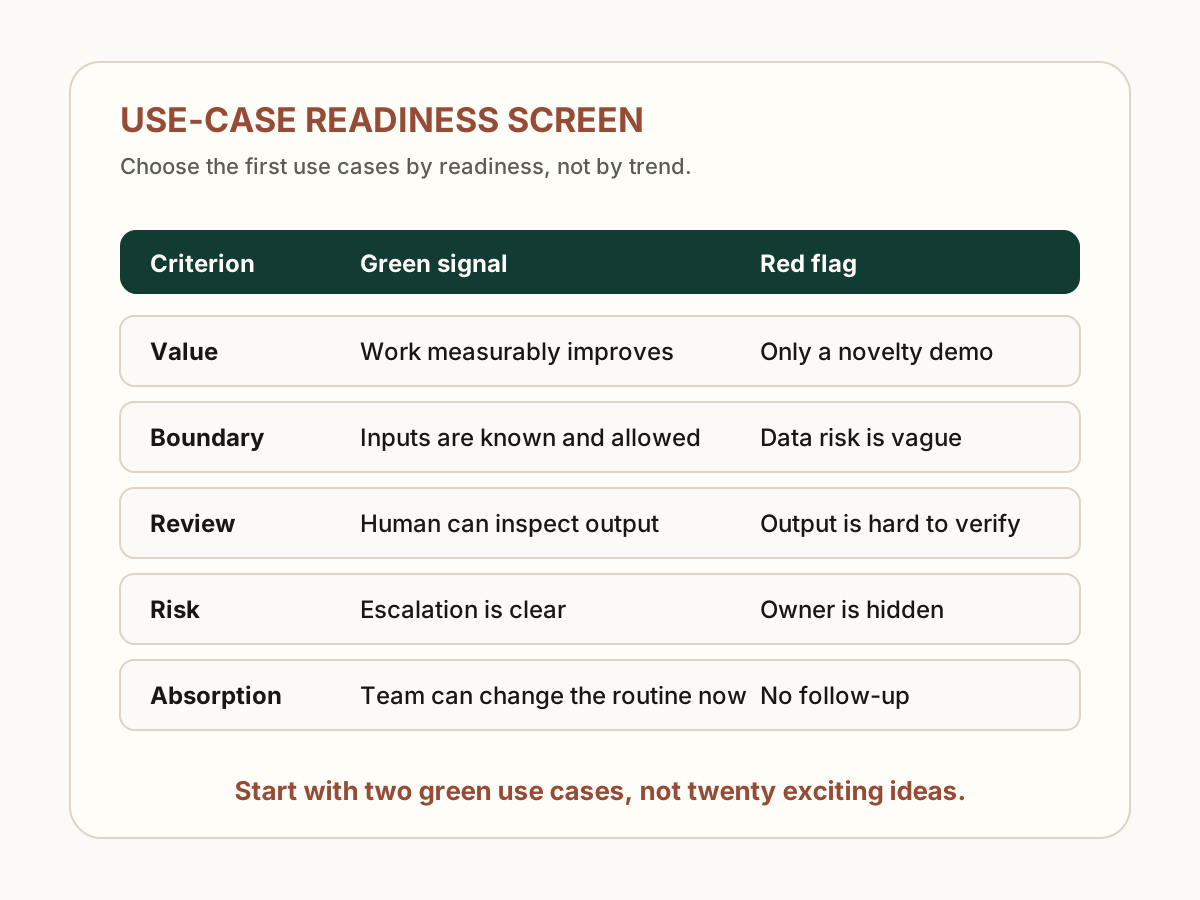
Use-case readiness screen
Compare expected value, permitted data, review effort, risk and the work needed to support a trial.
Practice and manager review
Tie employee practice to human checks, manager review, evidence, and 30 day follow-up.
